System Reliability and Resilience
High availability is the outcome of sound architecture, effective observability, and a deep understanding of system behavior. Reliability cannot be achieved through redundancy alone—it requires timely detection of change, analysis of underlying causes, and the ability of a system to remain manageable under both internal and external pressures.
At AstraVerge, we view reliability as a holistic property of an information system. It begins with observability and traceability, continues with understanding the root causes of failures, and culminates in an architecture capable of remaining resilient in the face of change, errors, overload, and external threats, including cybersecurity risks.
Observability Before Fault Tolerance
We see reliability as the result of understanding how a system behaves. Comprehensive observability, traceability, and change analysis provide the essential foundation for building resilient architectures.
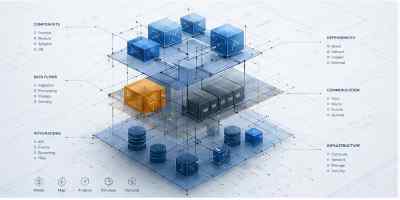
What We Study
System behavior, service availability, observability, event traceability, root causes of failures, and the impact of change on overall system resilience.

The Human Factor
Reliability depends on more than technology alone. We examine operations, monitoring, maintenance, incident response, and decision-making processes as essential elements of system resilience.

What We Assess
Observability, telemetry coverage, architectural fault tolerance, the impact of internal and external factors, incident readiness, and overall security posture, including cybersecurity.

Outcome
Practical recommendations for improving observability, fault tolerance, and system resilience, reducing architectural risks, and strengthening operations and monitoring practices.
When It Becomes Necessary
As systems grow, not only does the number of components increase, but so does the likelihood of complex failures, the impact of human factors, and exposure to external threats. At this stage, maintaining high availability of individual services is no longer enough—it requires a systematic approach to ensuring the reliability and resilience of the entire infrastructure.
Common Signs
- Incidents keep recurring without a clear understanding of their root causes.
- Monitoring reveals symptoms but not the underlying problem.
- The source of an issue cannot be identified quickly.
- System changes regularly lead to unexpected failures.
- High availability is maintained only through excessive cost and effort.
- There is no unified assessment of architectural resilience and cyber risk.
What Clients Gain
- An assessment of the current level of observability and traceability.
- Analysis of the factors affecting system reliability.
- Recommendations for improving monitoring and operational processes.
- Guidance on strengthening architectural fault tolerance.
- An evaluation of the system's internal and external resilience.
- A comprehensive view of reliability, covering both architectural and organizational aspects.