Complex Systems Architecture
Modern information systems architecture is about far more than selecting technologies, components, and integration patterns. It determines how a system evolves, how resilient it remains in the face of change, and whether an organization can maintain control as complexity continues to grow.
At AstraVerge, architecture is approached as a research discipline. We examine not only the structure of a system, but also decision-making processes, accumulated constraints, the impact of change, and the role of people in operating, maintaining, and evolving the system over time.
Research Before Design
Every architectural decision is evaluated not only from a technical perspective, but also in the context of business processes, accumulated experience, organizational constraints, and the role of people throughout the system's lifecycle.
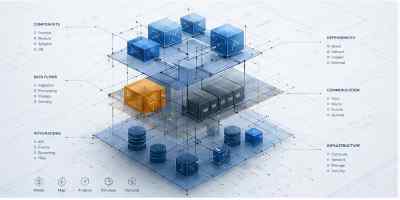
What We Study
Information system architectures, component interactions, data flows, service dependencies, and the impact of changes on the system as a whole.

The Human Factor
No architecture exists in isolation. We examine operational processes, maintenance practices, decision-making, and team interactions as integral parts of the architectural model.

What We Assess
Architectural risks, accumulated complexity, single points of failure, the impact of change, the quality of system decomposition, and how well the architecture supports its intended objectives.
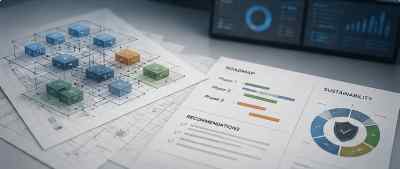
Outcome
Practical recommendations, architectural models, an independent expert assessment, and strategic guidance for improving the system's long-term sustainability.
When It Becomes Necessary
Architectural problems rarely appear overnight. They typically accumulate gradually as systems expand, new services are introduced, business processes evolve, and development teams grow. Eventually, isolated technical fixes stop being effective, while the cost of change begins to rise rapidly.
Common Signs
- The documented architecture no longer reflects the actual system.
- The cost of implementing changes keeps increasing.
- The impact of changes becomes difficult to predict.
- Documentation no longer matches reality.
- Hidden dependencies emerge between services and teams.
- Temporary workarounds and technical debt continue to accumulate.
What Clients Gain
- An independent assessment of the architecture.
- Identification of key architectural risks.
- A clear understanding of the sources of accumulated complexity.
- Recommendations for the future evolution of the architecture.
- Well-founded architectural guidance for management and engineering teams.
- A solid foundation for future system modernization.